
Truffle


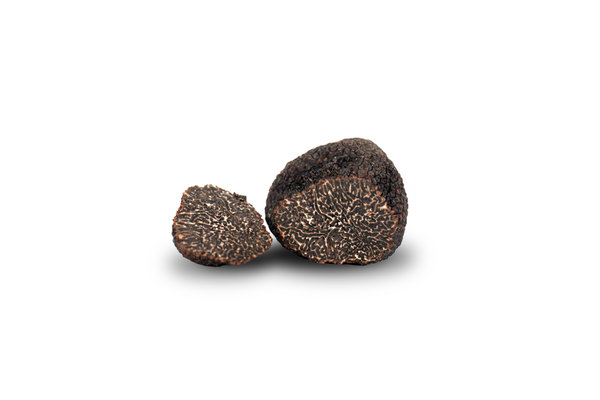


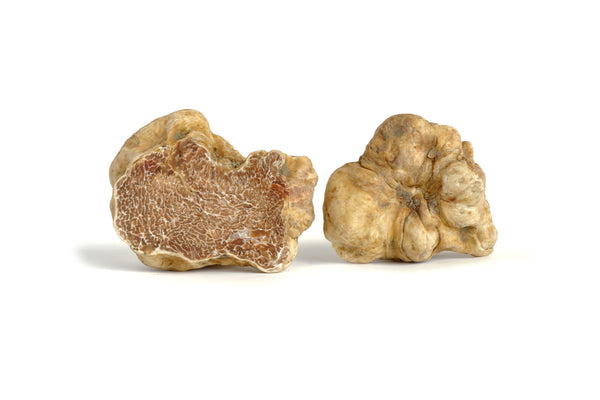



The truffle belongs to the mushroom family, but unlike its relatives, it grows and lives underground near the roots of plants, particularly oaks, poplars, sessile oaks, or lindens.
The truffle has an ancient history: the first to use it were the Babylonians, and later the Greeks and Romans also began to include this precious ingredient in their recipes. The truffle, traveling from one people to another, started to make a name for itself, and its fame grew to the point of being considered a gift from God to humanity with supernatural health effects.
ENJOYING FRESH TRUFFLE TO THE FULLEST
When fresh truffle enters our recipes, it inevitably becomes the

main star: to enhance it, you need to pay attention to every single detail, from how you slice it to the choice of ingredients you want to pair it with.
Before you start cooking, remember a few little tricks so as not to
ruin our main ingredient. The fresh truffle should always be used at room temperature, so if you are storing it in the fridge, you should take it out at least half an hour before. When washing the truffle, do not use too much water because its surface is porous and would absorb too much liquid: each type of truffle has a different porosity; when purchasing, ask your supplier for the best method to clean your truffles.
There are various methods to cut the truffle professionally. The fresh black truffle is generally more versatile: it can be sliced raw, cooked inside sauces and gravies, or grated during the preparation of the dish, taking care not to heat it too much. The white truffle, on the other hand, is much more delicate and precious and should be sliced or stirred raw over hot dishes: this way it will release all its aromas optimally. To enjoy it best, white truffle slices should be thin, obtained using a truffle slicer, a vegetable peeler, or a mandoline.
TRUFFLE AND HEALTH
The truffle, besides being a precious ingredient to include in dishes, is a very healthy food because it contains no cholesterol, is rich in vitamins, low in fat, and promotes digestion. Furthermore, the truffle is an excellent source of:
- Antioxidants and minerals, useful for fighting aging and counteracting free radicals;
- Magnesium and potassium, ideal for those with cardiovascular problems, as they regulate heart rhythm and the functions of nerves and muscles, as well as maintaining a healthy nervous system;
- Calcium, helps keep bones and teeth healthy. A rich source of calcium is excellent for preventing diseases like osteoporosis;
- Iron and phosphorus, which contribute to normal energy metabolism as well as the normal functioning of cell membranes;
- Fiber, which helps prevent colon cancer and keeps the intestine healthy and regular.
HOW TO STORE FRESH TRUFFLE IN THE FRIDGE?
Once you buy the truffle, the sooner you use it, the better, because a small temperature change or excessive humidity could cause it to spoil. You can still store truffle in the fridge for a few days: wash it carefully, dry it well, wrap it in absorbent paper, remembering to change it often to avoid it becoming too damp, and then place it in an airtight container. You can keep it for 4 to 6 days.
Freezing truffle: if you know you won’t consume it within a few days, you can freeze it (washed) wrapped in plastic wrap or in an airtight bag.
Also remember that if small amounts of truffle remain after preparation, you can always use it to make a delicious truffle butter, perfect for enriching your dishes easily and quickly. To prepare it, simply soften some butter and mash it to create a cream, then grate the truffle into the cream, mix well to get a homogeneous mixture, and store everything in an airtight container in the fridge for 3 to 4 days.
Now all that’s left is to choose the fresh truffle that best suits your recipes and let your creativity run wild in the kitchen!